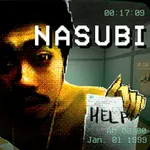








NASUBI
NASUBI Experimental Telemetry
| Metric | Data Specification |
|---|---|
| Developer | Bitflp |
| Genre | Survival Simulation |
| Core Loop | Lottery-based Resource Management |
| Platform | PC |
NASUBI: The Art of Living by Chance
Stepping into the cramped, desolate apartment of NASUBI feels like a descent into a quiet, psychological void. You are not fighting off legions of the undead or navigating complex dungeons; instead, you are waiting for a phone to ring.
This survival experience strips away the typical agency found in modern gaming. In NASUBI, your existence is tethered entirely to the whims of a lottery system inspired by real-world endurance challenges.
The Psychology of Isolation
The game forces you to confront the absolute stillness of your environment. Every movement in NASUBI serves a singular, desperate purpose: managing your hunger and status through the items provided by the state.
Because the game lacks traditional combat, the primary stressor becomes the ticking clock of your own metabolism. You will find that NASUBI relies on the player's internal anxiety to build tension rather than jump scares.
Mastering the Lottery Interface
Your primary interaction with the game world occurs through the rotary phone. You must manually dial to enter drawings, which dictates your survival for the next cycle.
Understanding the probability curves in NASUBI is essential for any player hoping to survive the experiment. If you fail to secure food, you simply fade away, making every input a high-stakes decision.
Uncovering the Hidden Risks of NASUBI
The apartment is a trap, though it initially feels like a safe harbor. While you might feel secure behind the locked door, NASUBI constantly reminds you that you are merely a participant in a grand, uncaring experiment.
The items you receive are randomized, but your reaction to them is the true skill. Experienced players know that NASUBI rewards those who analyze the utility of every incoming package.
Why Luck is Your Only Resource
In most survival titles, you gather wood or stone to build a fortress. In NASUBI, you gather prizes to ensure your continued participation in the challenge.
Pro-Tip: Never consume high-value items immediately. Always calculate if the recycling value outweighs the temporary hunger relief they provide.
This economic layer elevates NASUBI beyond a simple luck-based simulator. You are effectively managing a volatile portfolio where the assets are basic human necessities.
Managing the Hunger Threshold
Your character requires consistent intake to function properly. Monitoring the hunger meter is a constant, rhythmic chore that keeps the NASUBI gameplay loop from becoming stale.
When the meter drops, your movement slows and your ability to interact with the phone diminishes. Maintaining this balance is the core mechanical hurdle that defines the NASUBI experience.
Perfecting Your Routine in NASUBI
Survival is not about fighting the system; it is about learning how to manipulate it to your advantage. Through repetition, you will develop a specific cadence for your daily tasks.
Muscle memory becomes your best friend as you navigate the small apartment. Eventually, the once-unsettling silence of NASUBI transforms into a meditative, albeit tense, routine of sorting, eating, and calling for more packages.
Strategic Recycling Techniques
Selling items is the engine that drives your long-term progression. By converting unwanted prizes into currency, you can purchase upgrades that make NASUBI significantly more manageable.
- Prioritize upgrades that increase your lottery winning frequency.
- Invest in recycling efficiency to maximize your cash flow from low-tier items.
- Save specific rare items for late-game milestones to unlock secret endings.
Long-term Upgrade Optimization
The meta-progression in NASUBI is surprisingly deep for such a minimalist title. Every upgrade you purchase stays with you, creating a sense of growth that counteracts the feeling of being trapped.
As you refine your strategy, the game shifts from a desperate struggle for calories to an exercise in optimization. NASUBI forces you to think like an administrator of your own survival, proving that even a prisoner can find a path to mastery.
Frequently Asked Questions About NASUBI
How do I effectively manage my hunger when the lottery keeps failing?
The key to surviving low-luck streaks in NASUBI is to maintain a buffer of high-calorie, non-perishable goods. Always prioritize entering lotteries for food items early in the day, and use your recycling profits to buy the hunger-reduction upgrades as soon as they become available.
Is there a way to increase my odds of winning better prizes?
Yes, the upgrade menu is your most powerful tool in NASUBI. By investing in the lottery-odds upgrades, you directly influence the RNG backend of the game. Focus on these upgrades early to ensure that your later runs have a significantly higher success rate for rare packages.
What happens if I run out of items to recycle?
Running out of inventory is the primary failure state in NASUBI. If you find yourself in this position, you must rely on the basic, low-tier lottery entries to generate scraps. Always keep a small amount of cash in reserve to ensure you can afford to keep the phone line active during lean periods.
Ultimately, NASUBI remains a unique experiment in the survival genre. It challenges your patience, tests your resource management skills, and forces you to find order within a chaotic, luck-based environment. Whether you enjoy the psychological pressure or the satisfying progression, NASUBI offers a distinct experience that rewards the persistent player. Will you master the lottery, or will you succumb to the isolation? The choice, and the luck, is entirely yours in NASUBI.